Every homeowner wants the same thing from a roof: as many good years as possible for the money spent. But roof lifespan is not a single number. It depends on the material, the quality of the install, and how hard Indiana's weather works on it. Here is a realistic look at how long a roof lasts in Indiana, and the factors that quietly add or subtract years.
How Long Does a Roof Last by Material?
The material sets the baseline. In Indiana's climate, here is what to expect from a properly installed and maintained roof.
| Roofing material | Typical lifespan in Indiana |
|---|---|
| Three-tab asphalt shingles | 15–20 years |
| Architectural asphalt shingles | 20–30 years |
| Metal roofing | 40–70 years |
| Slate | 75–100+ years |
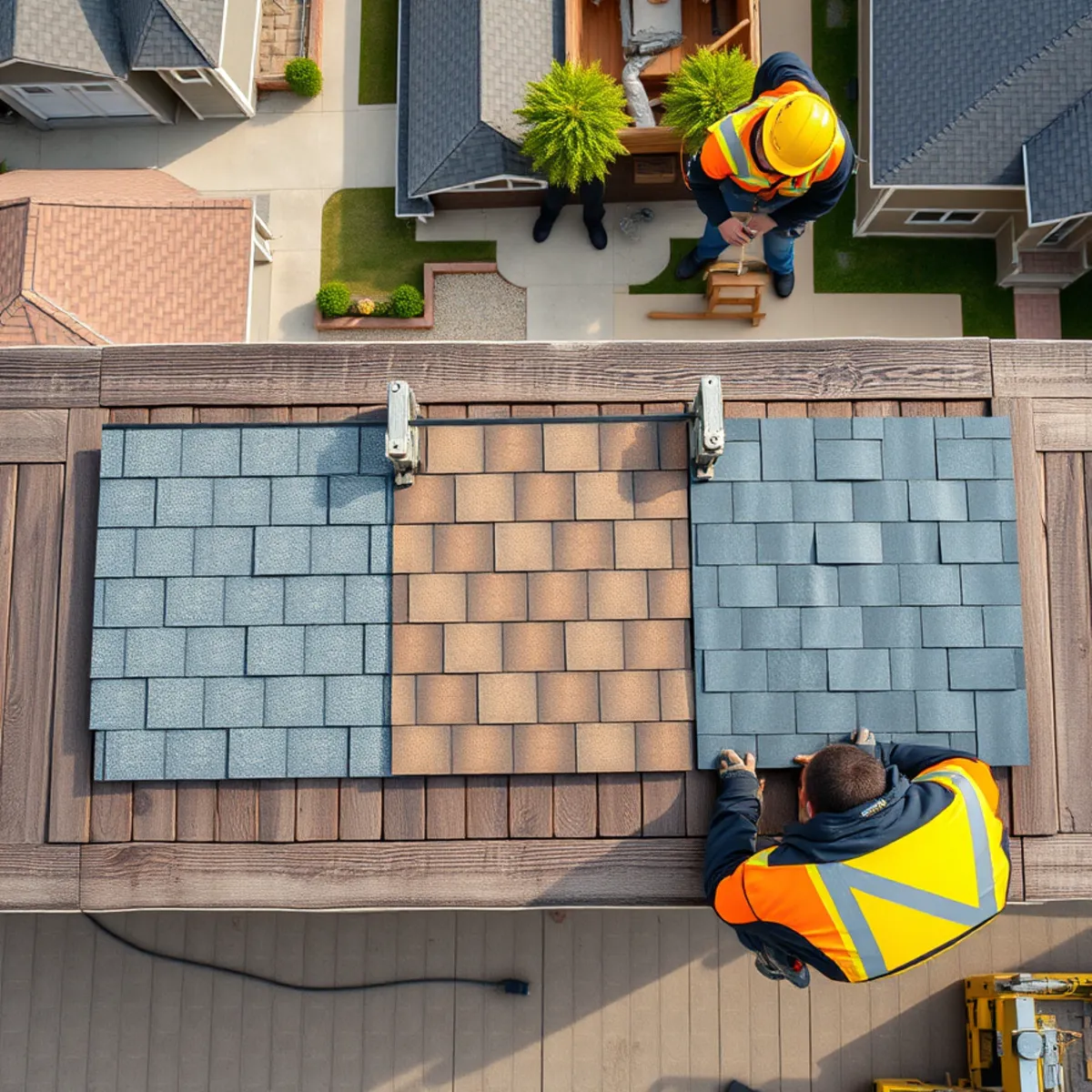
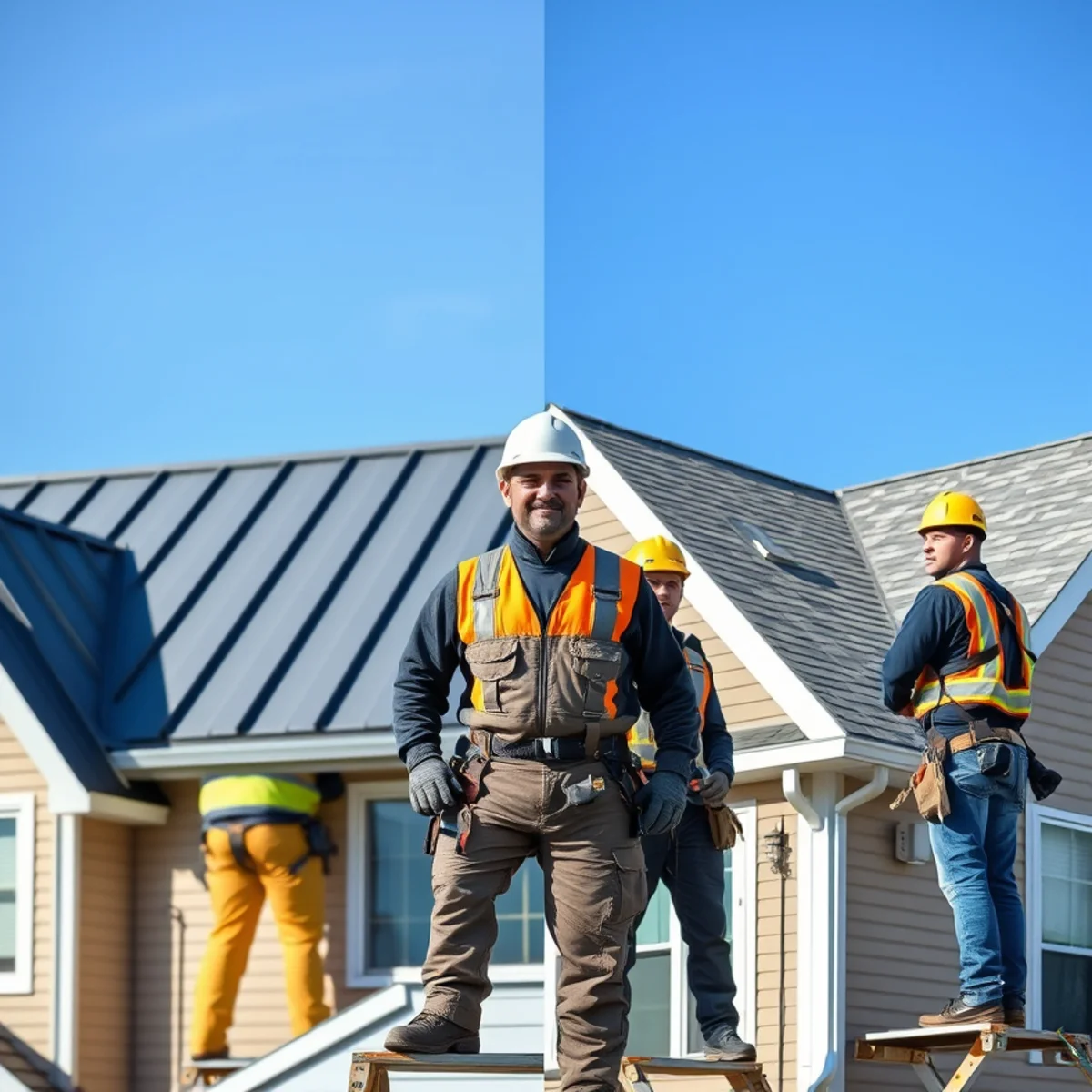
Most Indiana homes have architectural asphalt shingles, so the 20-to-30-year range is the number most families plan around. Not all shingles are equal, though. Stepping up from basic three-tab to a quality architectural shingle roofing system can add years, and impact-resistant options hold up better to our frequent hail. A metal roof can easily outlast two shingle roofs, which is a big part of its appeal for homeowners planning to stay put for decades.
What Shortens a Roof's Life in Indiana
Two roofs of the same material can age very differently. These are the factors we see cutting roofs short across central Indiana.
Weather and freeze-thaw cycles
Indiana's climate is genuinely tough on roofing. Roughly 20 to 30 significant hail events strike the state each year, and repeated freeze-thaw cycles in winter expand and contract every material. Hail bruises shingles and knocks off protective granules, while ice at the eaves can back water up under the shingles. All of this accelerates aging.
Poor attic ventilation
This is the hidden roof-killer. Without balanced intake and exhaust, an attic traps heat and moisture that cook shingles from below and rot the decking. A roof over a poorly ventilated attic can fail years early. Proper roof and attic ventilation is one of the cheapest ways to protect the whole system, and our attic ventilation guide explains how it works.
Installation quality
A roof is only as good as the crew that installs it. Improper nailing, reused flashing, missing ice-and-water shield, and skipped ventilation all shorten lifespan no matter how good the shingles are. This is why choosing an established, licensed roofer matters as much as choosing the material.
Skipped maintenance
Small problems that go unaddressed become big ones. Clogged gutters, worn flashing, and overhanging branches all take years off a roof when ignored.
How to Get the Most From Your Roof
The good news is that much of a roof's lifespan is within your control. A few habits make a real difference:
- Get an inspection every year or two, and always after a major storm.
- Keep gutters clear so water drains away from the eaves and fascia.
- Fix small issues early, before a lifted shingle becomes a leak.
- Maintain attic ventilation and insulation to prevent heat and moisture buildup.
- Trim back branches that scrape shingles or drop debris.
Regular roof inspection and maintenance is the single best way to reach or beat your roof's expected lifespan. It also catches the early warning signs described in our post on the signs you need a new roof.
When Age Means It Is Time
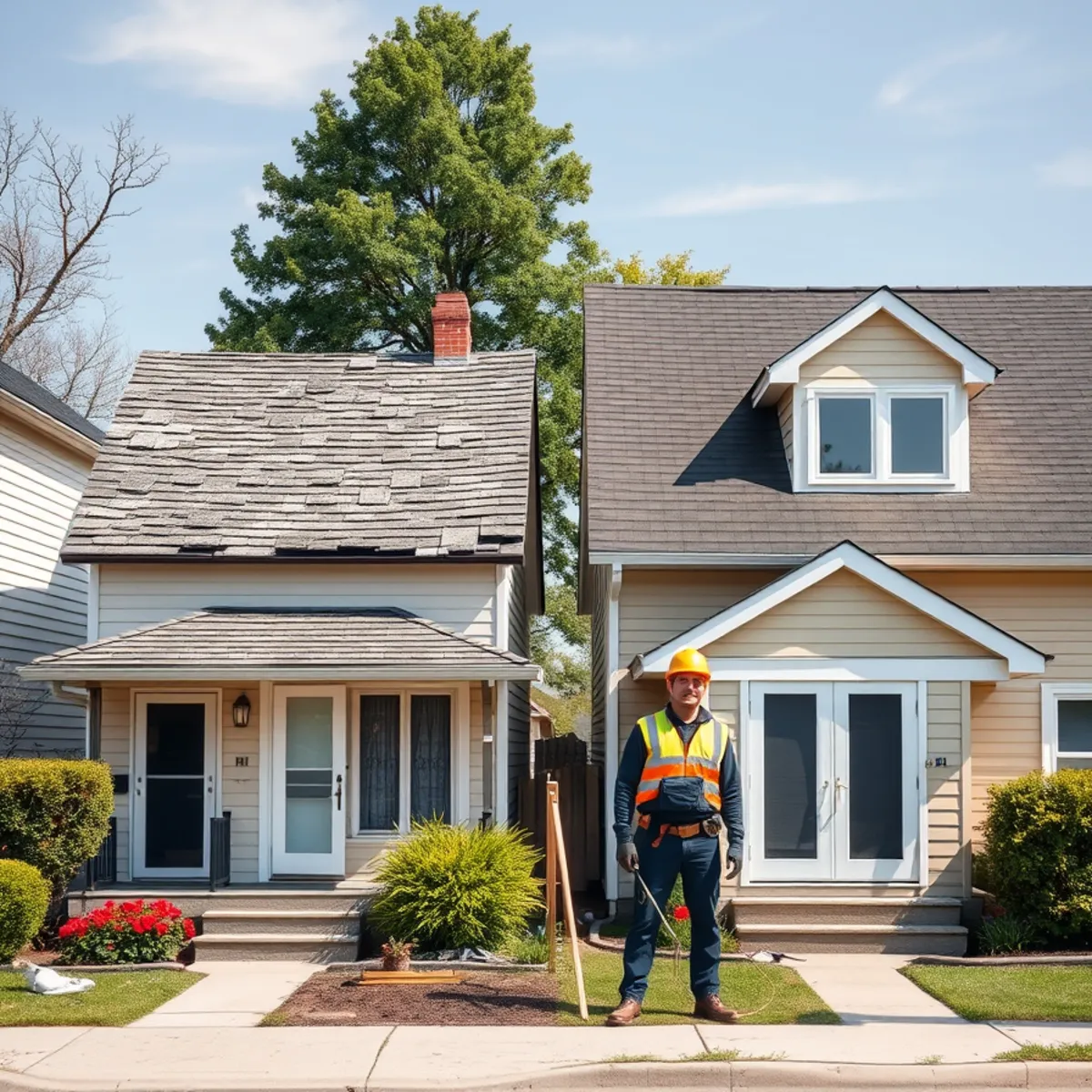
If your roof is approaching the end of its range, plan ahead rather than waiting for a leak. A roof that is 25 years old and showing curling shingles or granule loss is telling you what it needs. Planning a roof replacement on your own timeline is far less stressful and less costly than an emergency replacement after water has already damaged your ceilings.
We help homeowners across Fishers and Noblesville figure out exactly where their roof stands, whether that means a few more years of maintenance or a fresh start.
Does an Overlay Add Years?
Some homeowners are told they can save money by laying new shingles over the old ones instead of tearing off. It is allowed in certain cases, but it rarely adds life and often subtracts it. A second layer traps heat, hides decking problems, and adds weight the structure was not designed to carry. Most manufacturers also shorten or void their warranty on an overlay.
In Indiana's climate, a full tear-off is almost always the better long-term value. It lets us inspect and repair the decking, add fresh ice-and-water shield at the eaves, and correct ventilation before the new roof goes on. That costs a little more up front and pays you back in years of roof life. If you are not sure how old your current roof is, check for a permit record or ask a roofer to estimate its age during an inspection, so you can plan the next one on your terms.
Make Every Year Count
A roof's lifespan comes down to material, installation, ventilation, and upkeep. Choose quality, install it right, ventilate the attic, and keep up with maintenance, and you will get every year the material can give and often a few more.
Not sure how much life is left in your roof? Guardian Roofing offers free, honest inspections and has served Indiana homeowners for over 25 years. Call (209) 758-8550 to schedule yours.
Frequently Asked Questions
Ready for a free roof inspection?
Talk to a real local roofer with 25+ years of Indiana experience. Honest advice, no pressure.