Attic ventilation is the most overlooked part of a roof, and quietly one of the most important. Homeowners obsess over shingle brands and colors, but the airflow above their ceiling often decides how long that roof actually lasts. Poor ventilation cooks shingles in summer, drives ice dams in winter, and can void manufacturer warranties. Here is how it works and why it matters for every Indiana home.
Why Attic Ventilation Protects Your Roof
Your attic needs to breathe. A properly ventilated attic constantly exchanges air, pulling cool, dry air in at the bottom of the roof and pushing hot, moist air out at the top. When that airflow is missing or unbalanced, heat and moisture build up and go to work on your roof from the inside.
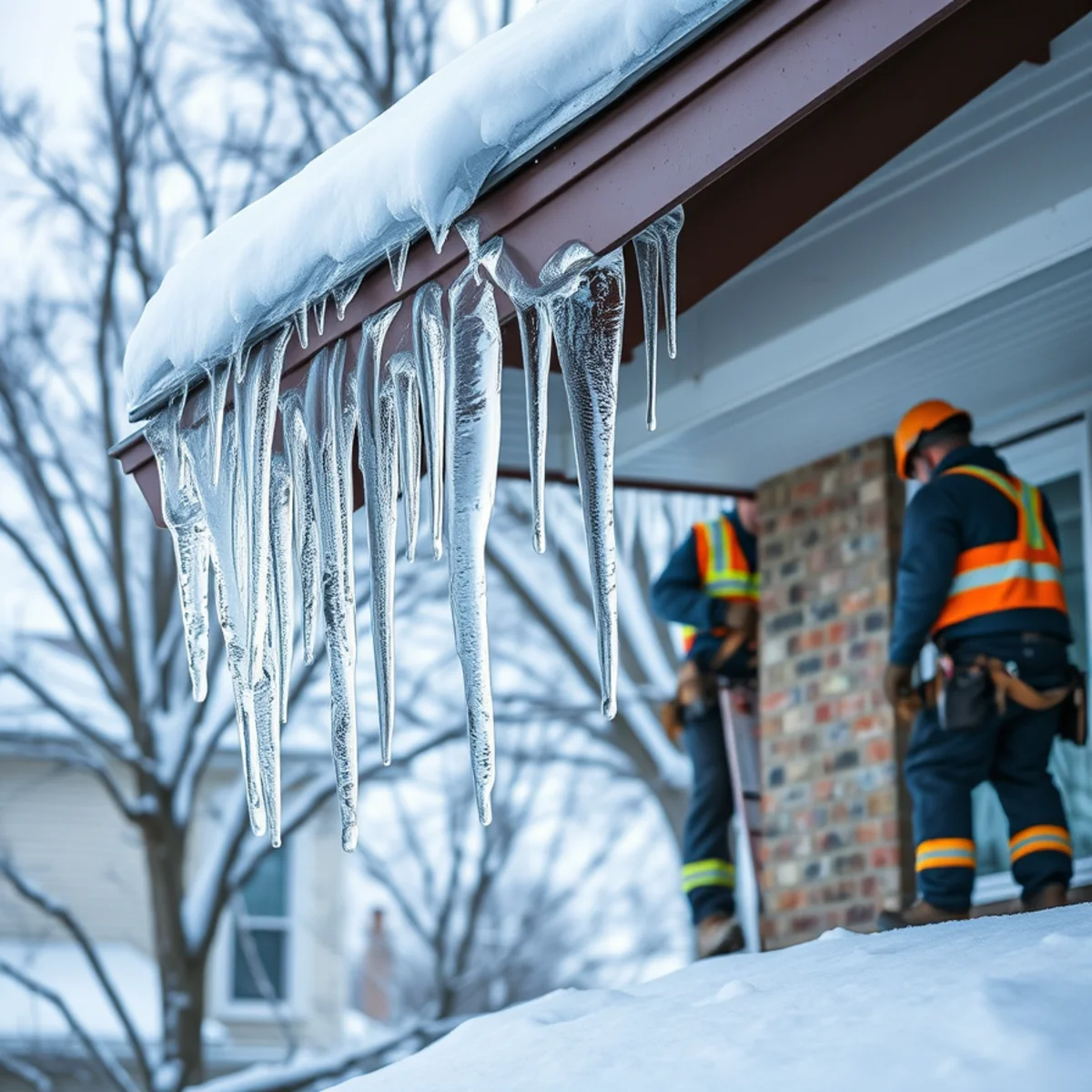
In summer, a poorly ventilated attic can reach extreme temperatures that bake the shingles from below, aging them prematurely and shortening their lifespan. In winter, trapped warm air melts snow unevenly and feeds ice dams at the eaves. Year-round, trapped moisture condenses on the underside of the decking, leading to mold, rot, and ruined insulation. Good ventilation is the low-cost defense against all of it.
How Balanced Ventilation Works
The key word is balanced. A roof needs roughly equal amounts of intake and exhaust to create steady airflow. Think of it as a chimney effect across the whole attic.
Intake vents
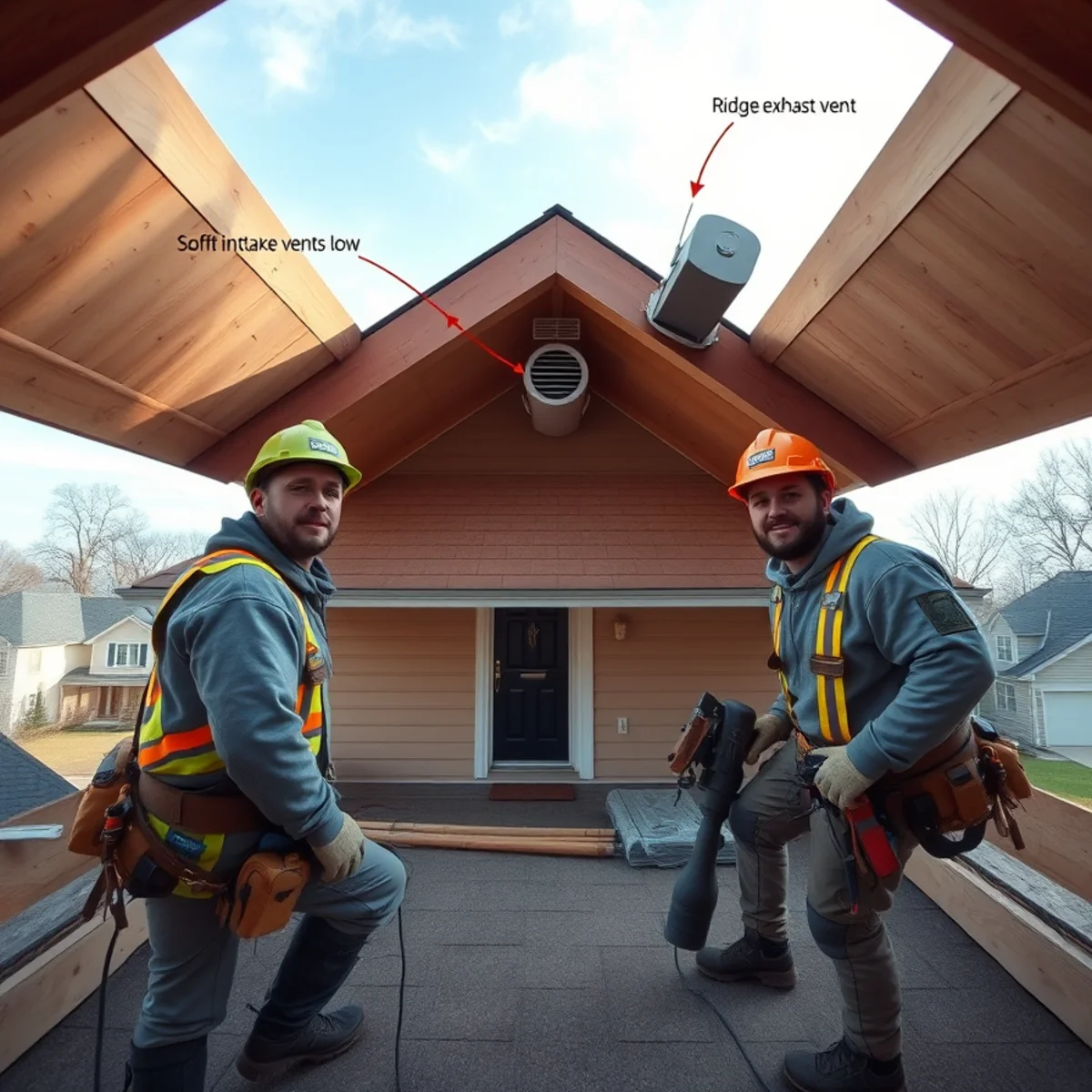
Intake vents sit low, usually in the soffits under the eaves. They let cool, fresh air enter at the bottom of the attic. If soffit vents are blocked by insulation or paint, the whole system stalls, no matter how good the exhaust is.
Exhaust vents
Exhaust vents sit high, at or near the ridge. A continuous ridge vent running along the peak is the most common and effective choice, letting hot air escape evenly across the roof. Other options include box vents and powered fans, but ridge-and-soffit systems work quietly and without moving parts.
When intake and exhaust are matched, air flows continuously from soffit to ridge, flushing out heat and moisture. When they are mismatched, you get dead spots, and the roof suffers.
Signs Your Attic Ventilation Is Failing
You can often spot ventilation problems without climbing on the roof. Watch for:
- An upstairs that is uncomfortably hot in summer and slow to cool.
- Ice dams and heavy icicles at the eaves every winter.
- Frost or condensation on the underside of the roof decking.
- A musty smell, or visible mold or mildew in the attic.
- Rusty nails or damp insulation up top.
- Shingles that are curling or aging faster than they should.
Any of these means your attic is not breathing the way it should, and your roof is paying for it. A professional roof inspection and maintenance visit can measure your intake and exhaust and pinpoint the gap.
Ventilation and Indiana's Climate
Indiana's swings make ventilation especially important. Humid summers push a lot of moisture into the air, and our freeze-thaw winters make ice dams a recurring threat, particularly in the northern tier and lake-effect areas around Fort Wayne. Balanced airflow is central to preventing those dams, which is why we treat it as part of the roof system, not an afterthought. Our guide on preventing ice dams in Indiana connects the two directly.
Ventilation also affects your wallet. An attic that stays cooler in summer eases the load on your air conditioning, which can help with energy bills during Indiana's hot, sticky months.
Getting It Right
Proper ventilation is not a one-size-fits-all formula. The right amount depends on your attic's square footage, roof design, and existing insulation. This is why it should be evaluated by a professional rather than guessed at. When we handle roof and attic ventilation, we calculate the balance your specific attic needs and make sure intake and exhaust actually match.
The best time to correct ventilation is during a roof replacement, when the roof is open and a ridge vent and clear soffit venting can be built in from the start. Skipping this step is one of the most common shortcuts on cheap roofing jobs, and it is one that quietly costs homeowners years of roof life. We build it in for homes across Fort Wayne and Indianapolis as a matter of course.
Ventilation and Your Warranty
Here is a detail many homeowners never hear: most shingle manufacturers require adequate attic ventilation to keep their warranty valid. If an inspector later determines that trapped heat and moisture from a poorly vented attic caused shingles to fail early, the warranty claim can be denied.
In other words, skimping on ventilation can cost you twice, once in shortened roof life and again in lost warranty coverage. This is one more reason to treat intake and exhaust as part of the roof rather than an optional add-on. When the ventilation is right, the shingles perform as designed, the attic stays dry, and the warranty stays intact, exactly as it should. It is a small part of the overall job that protects everything above and below it.
Small Detail, Big Payoff
Attic ventilation will never be the exciting part of a roof, but it is one of the most cost-effective ways to protect your shingles, lower your bills, and prevent winter ice dams. Balanced intake and exhaust, checked by a pro, pays for itself many times over.
If your upstairs runs hot or you fight ice dams every winter, let us take a look at your attic. Guardian Roofing offers free inspections across Indiana. Call (209) 758-8550 to schedule yours.
Frequently Asked Questions
Ready for a free roof inspection?
Talk to a real local roofer with 25+ years of Indiana experience. Honest advice, no pressure.