
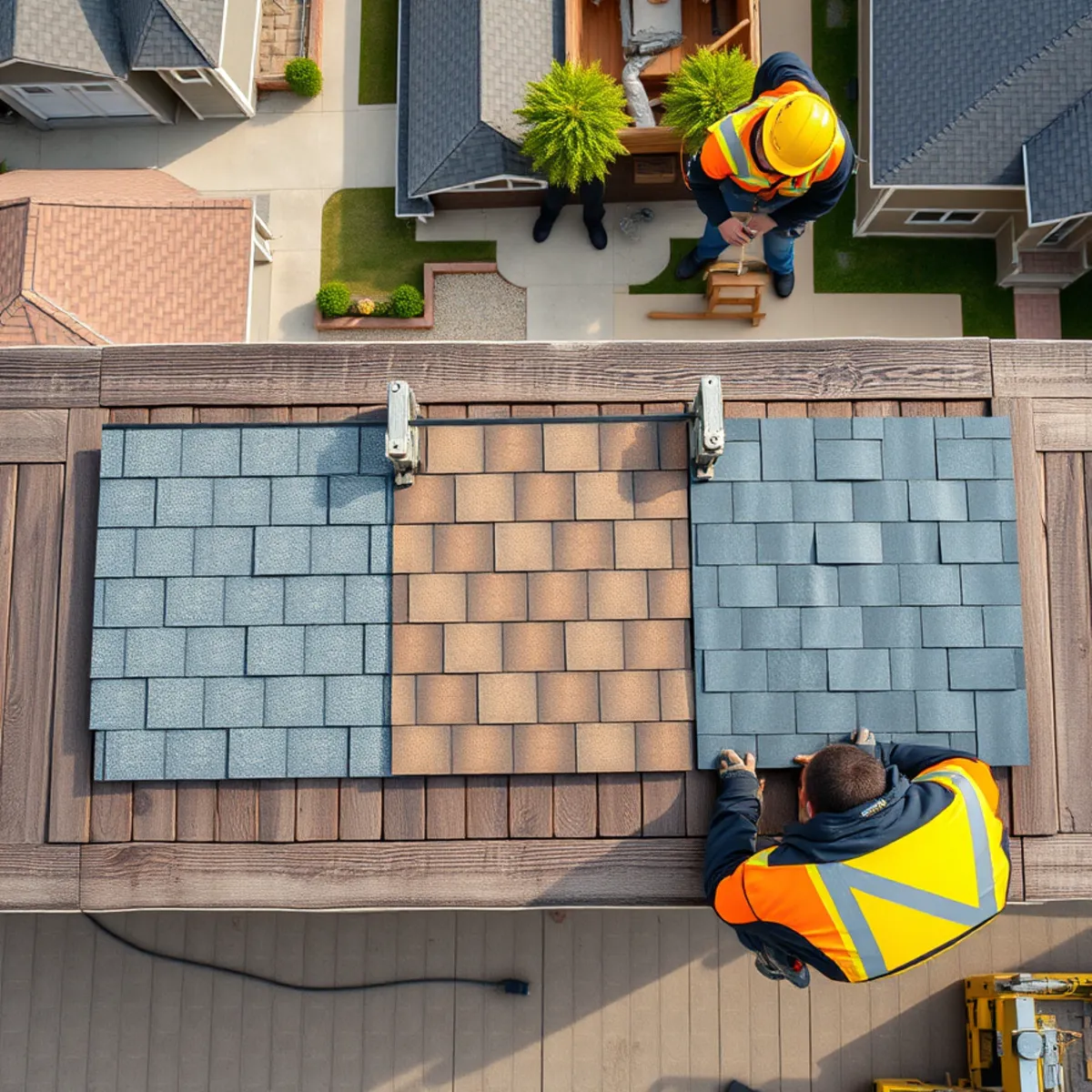
 Materials
8 min read
The Best Roofing Materials for Indiana's Climate
Indiana weather is hard on roofs. Here's how the major roofing materials stack up for our hail, humidity, and freeze-thaw swings.
Read article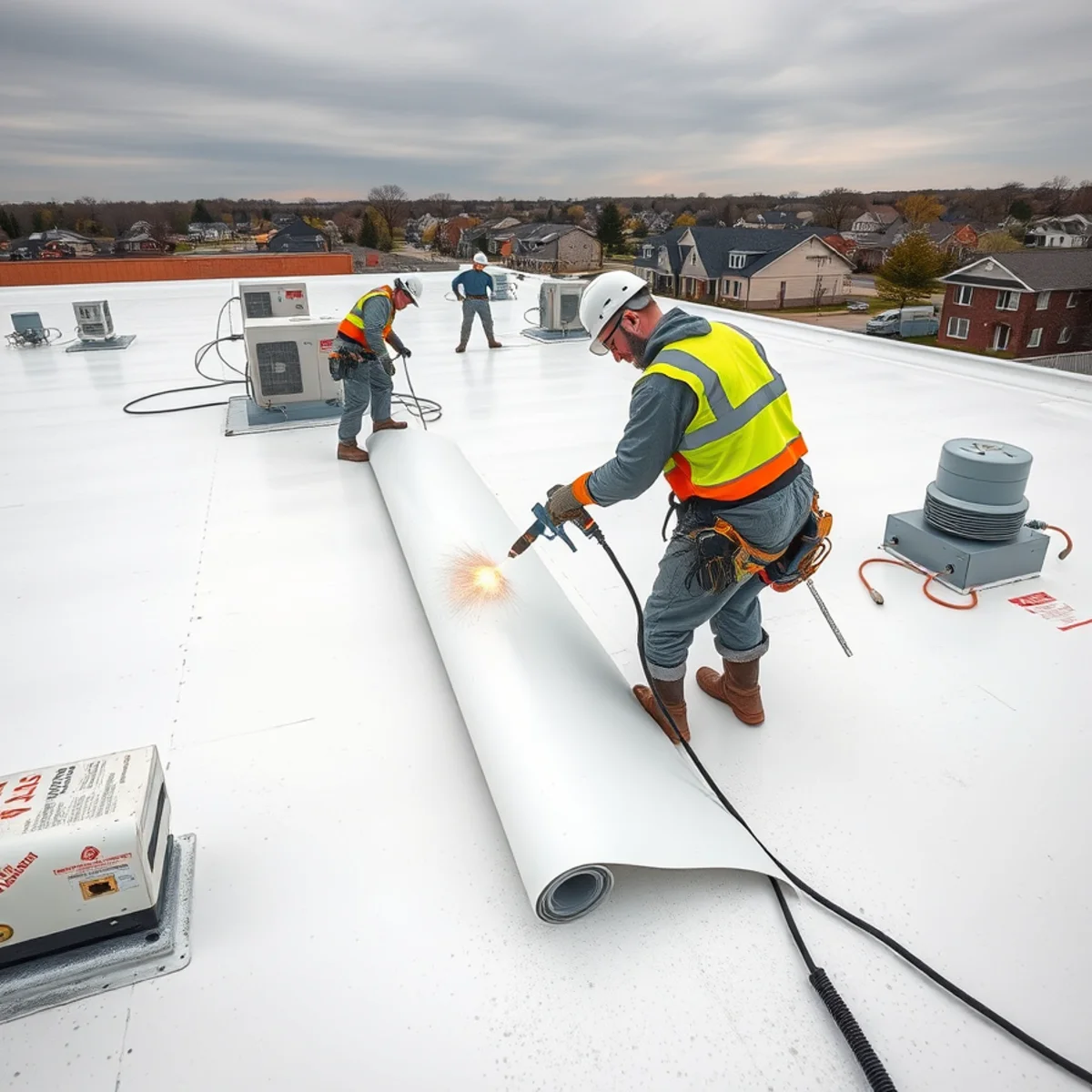
TPO, EPDM, and modified-bitumen membranes plus roof coatings for flat and low-slope roofs on Indiana homes, additions, and commercial buildings.
Flat and low-slope roofs follow a completely different set of rules than the pitched, shingled roofs most people picture. They rely on membranes and drainage rather than gravity and overlap, which means they need a roofer who genuinely understands them. Guardian Roofing has installed and repaired flat and low-slope roofs on Indiana homes, additions, and commercial buildings for over 25 years.
A flat roof does not shed water the way a steep roof does, so every seam, drain, and detail has to do its job. Indiana's heavy downpours and slushy winter mix put constant pressure on that system, and standing water left by poor drainage is the enemy of any low-slope roof. Ponding water finds weak spots, and once it freezes and thaws it works them wider.
Snow load is the other seasonal challenge. A flat roof holds snow rather than letting it slide off, so the membrane and the structure beneath it have to handle the weight and the meltwater that follows a thaw. Getting the slope and drainage right is what keeps a flat roof dependable through an Indiana year.
Flat roofing is a specialty, and plenty of shingle roofers are simply out of their depth on a membrane roof. We are not. Our crews install and service single-ply and modified systems regularly, and we know where low-slope roofs actually fail, at the penetrations, seams, and transitions, and how to detail them so they hold.
We are licensed, bonded, and insured, and we give straight recommendations on whether a repair, a coating, or a full replacement is the right move for your budget. Our team is bilingual in English and Spanish, we keep the work area clean, and every job is backed by a written workmanship warranty. Whether it is a home addition or a commercial building, you get the same careful work.
The best membrane depends on your building, your budget, and how the roof gets used. We install and service the major low-slope systems:
A well-installed membrane typically lasts 20 to 30 years, and drainage is the single biggest factor in getting there. Where ponding is a problem, we can add tapered insulation to move water toward the drains rather than letting it sit.
Regular attention keeps a low-slope roof watertight far longer. Debris, especially leaves and grit, tends to collect at drains and low spots, and clearing it prevents the pooling that ages a membrane early. A quick seasonal look at the seams, flashings, and the curbs around any rooftop equipment catches small separations while they are still a simple fix rather than an interior leak.
To compare low-slope options against other materials, see our guide to the best roofing materials for Indiana, and our roof maintenance checklist covers how to keep any roof healthy. Flat roofing overlaps heavily with our commercial roofing work, and when a membrane springs a leak, our roof repair crews can track it down. Regular roof inspections and maintenance are especially valuable on flat roofs, where small issues hide until they become interior leaks.
We handle flat and low-slope projects across the metro, from commercial buildings and modern homes in Indianapolis to additions and businesses in Fishers. The membrane and the detailing are chosen to fit each building.
If your flat roof is ponding, leaking, or simply showing its age, we can help. Call Guardian Roofing at (209) 758-8550 for a free assessment and an honest recommendation on repair, recover, or replacement.
Porches, additions, and commercial buildings need a membrane system, not shingles.
Standing water points to a drainage problem that tapered insulation and the right membrane can fix.
Aging built-up or single-ply roofs can often be repaired, recovered, or coated instead of fully replaced.
A reflective coating can add years to a sound low-slope roof for far less than a replacement.
Flat roofs live and die by drainage. We evaluate slope, ponding, and the existing substrate first.
We match the membrane — TPO, EPDM, or modified bitumen — to your building, budget, and traffic needs.
Curbs, drains, and vents are where flat roofs leak. We flash them meticulously.
We verify seams and drainage so the finished roof stays watertight.
Every roof is different, so we never quote a real price without seeing yours. These are the factors that shape your estimate.
TPO, EPDM, and modified bitumen differ in cost and lifespan.
Square footage and how easily crews and materials reach the roof affect labor.
Adding insulation or tapered boards to fix ponding increases cost but solves drainage.
Recovering an existing roof can save money when the substrate is sound.
From our Ingalls home base, Guardian Roofing provides flat & low-slope roofing to homeowners and businesses across Central & East-Central Indiana and beyond — including Ingalls, Pendleton, Anderson, Greenfield, Fortville, McCordsville. See every community we cover on our Indiana service areas page.
MaterialsIndiana weather is hard on roofs. Here's how the major roofing materials stack up for our hail, humidity, and freeze-thaw swings.
Read article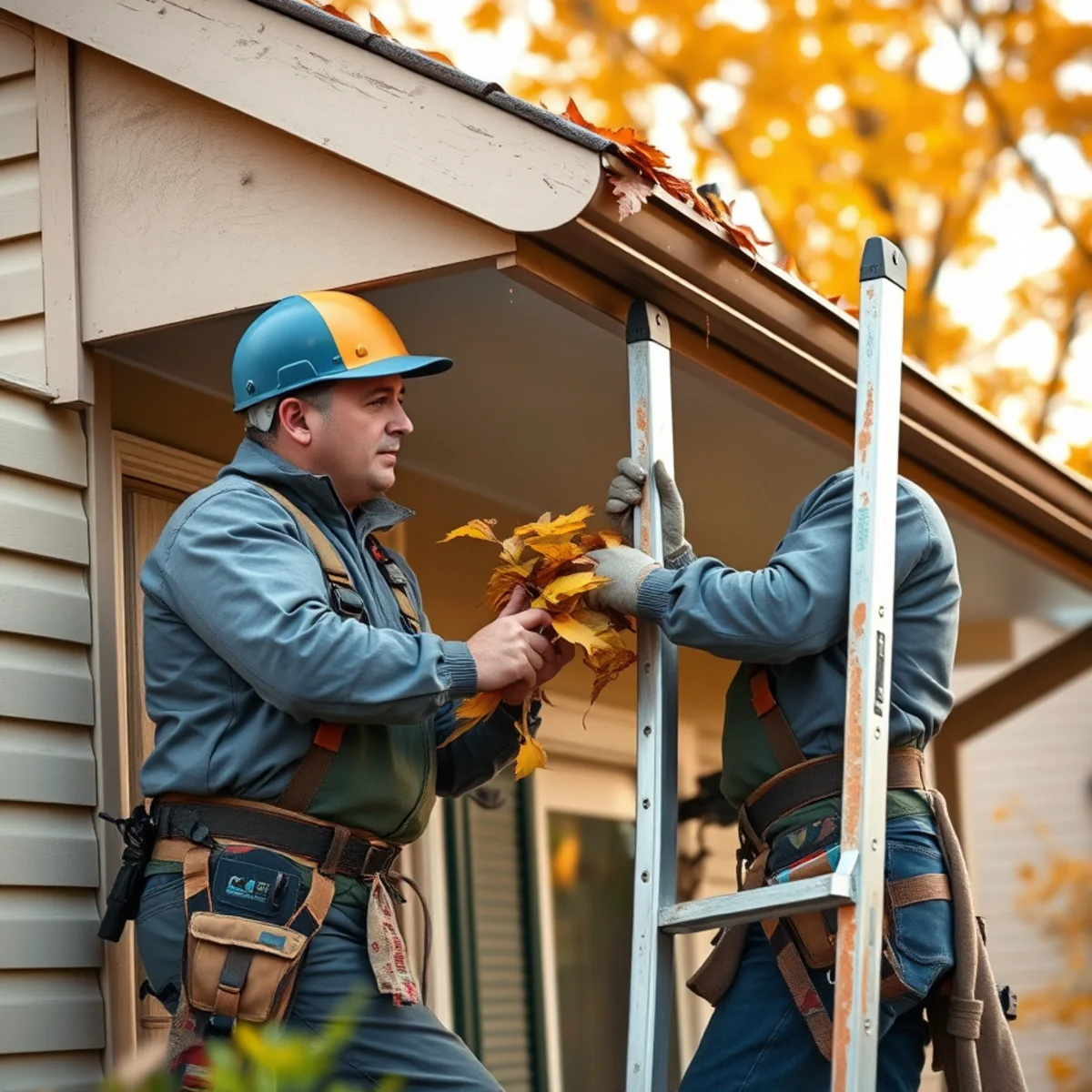 Maintenance
A little seasonal upkeep prevents most roof leaks. Here's a simple, season-by-season maintenance checklist for Indiana homes.
Read articleGet a free, no-pressure inspection and honest estimate from a roofer your neighbors trust.
Free estimates · Licensed, bonded & insured · 25+ years serving Indiana