Indiana weather asks a lot of a roof. Summer brings heat, humidity, and hail, while winter delivers freeze-thaw cycles, ice, and wind. The material you choose has to stand up to all of it, and the right pick depends on your budget, your home's style, and how long you plan to stay. Here is an honest, roofer's-eye comparison of the best roofing materials for Indiana homes.
Choosing the Best Roofing Materials for Indiana's Climate
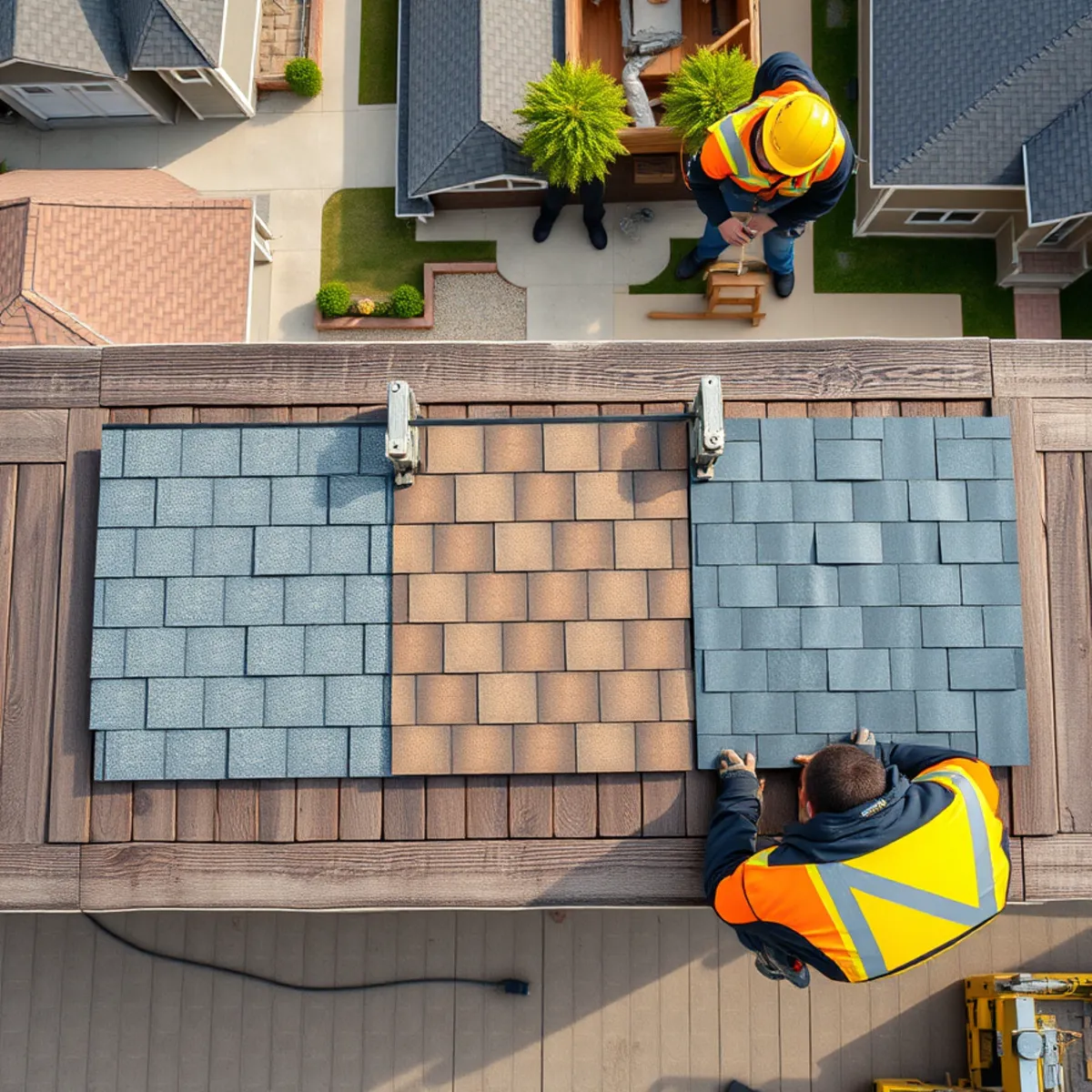
There is no single "best" roof for every home, but there is a best fit for your situation. The four materials we install and see most often here are asphalt shingles, metal, slate, and flat-roof membranes for low-slope sections. Each has a place. What matters is matching the material to Indiana's specific stresses: hail in spring, humidity in summer, and ice at the eaves in winter.
| Material | Typical lifespan | Relative cost | Best for |
|---|---|---|---|
| Asphalt shingles | 20–30 years | $ | Most homes, best value |
| Metal | 40–70 years | $$$ | Longevity, snow shedding |
| Slate | 75–100+ years | $$$$ | Historic and premium homes |
| Flat membrane (TPO/EPDM) | 20–30 years | $$ | Low-slope and porch roofs |
Asphalt Shingles: The Practical Standard
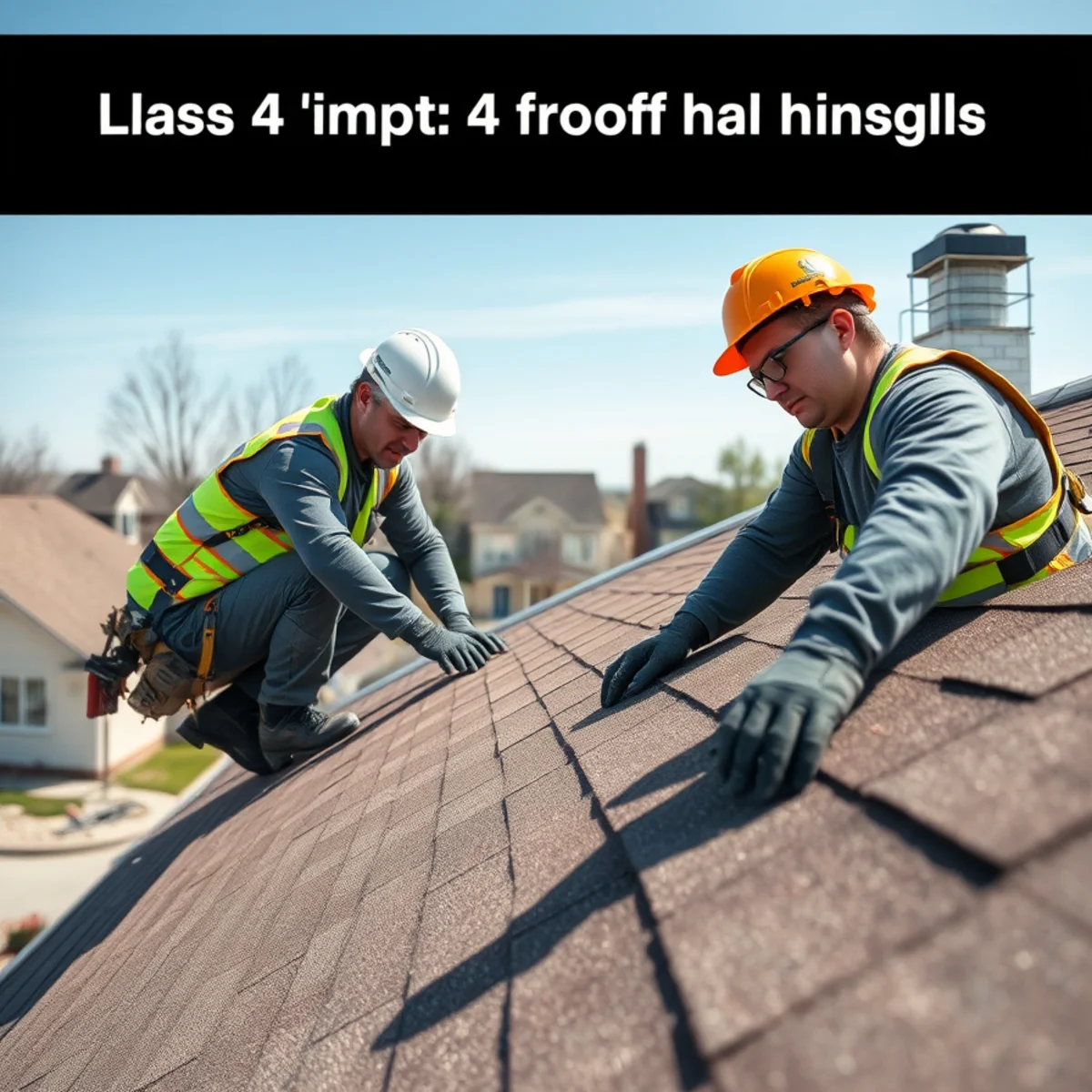
For most Indiana homes, quality asphalt shingles are the sensible choice. They are affordable, come in many colors, and modern architectural shingles handle our weather well. They typically last 20 to 30 years here. You can also step up to impact-resistant Class 4 shingles, which resist hail and may earn an insurance premium discount, a real consideration given how often it hails in this state.
We install asphalt and architectural shingle systems from GAF, Owens Corning, and CertainTeed. Their strengths are proven performance and easy, cost-effective repairs if a storm damages a section. The tradeoff is a shorter lifespan than metal or slate.
Metal Roofing: Built for the Long Haul
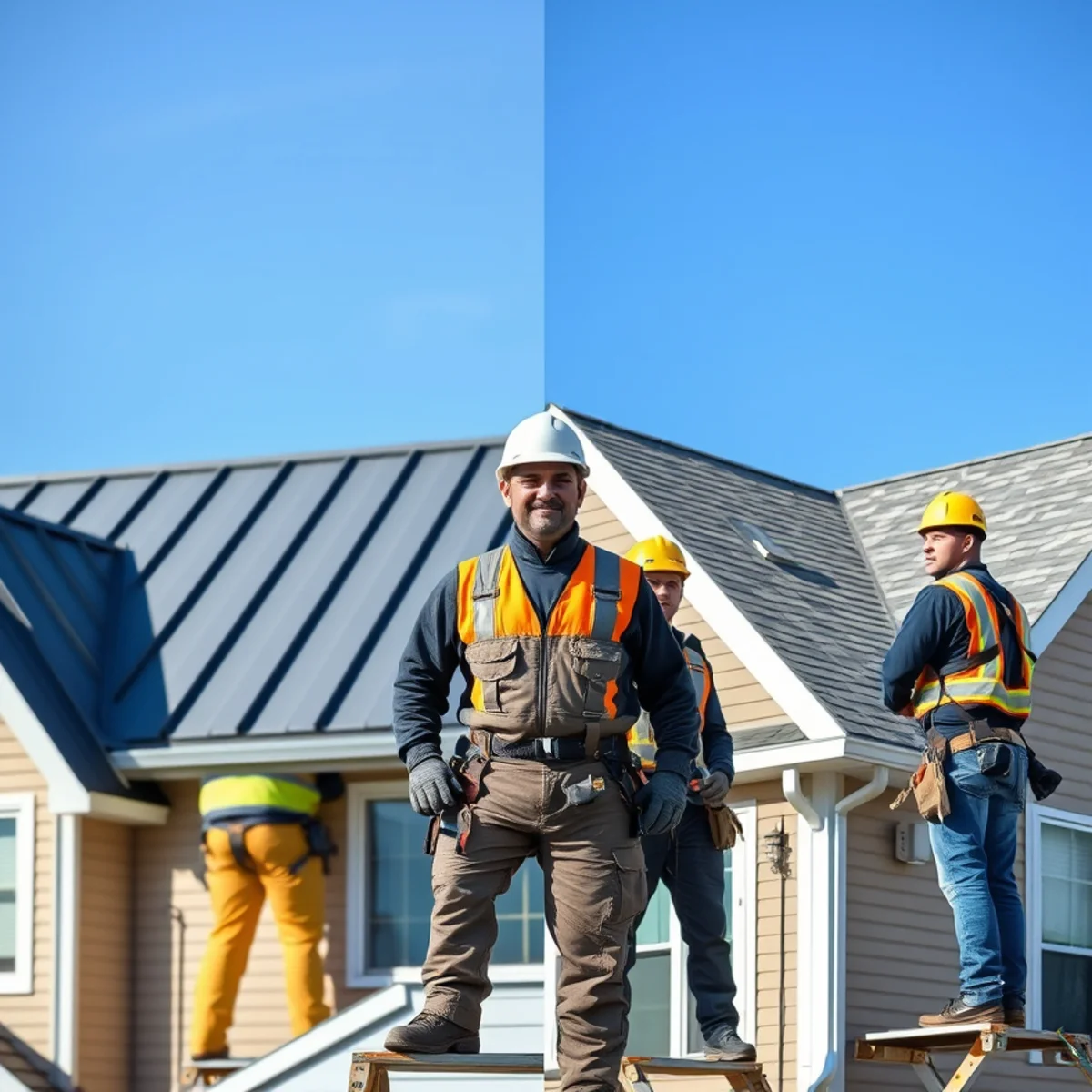
Metal has earned its growing popularity in Indiana. A quality metal roof lasts 40 to 70 years, sheds snow and ice well, and reflects summer heat, which can help with cooling costs. It stands up to wind and, with the right profile, resists hail dents better than people expect.
The main tradeoff is upfront cost, which runs higher than shingles. Some homeowners also ask about noise, but with proper decking and underlayment a modern metal roof is not much louder than shingles in the rain. If you plan to stay in your home a long time, the longer life can make metal a strong value. Our comparison of metal roofing versus shingles digs into the numbers.
Slate: Premium and Nearly Permanent
Slate is the longest-lasting roof you can buy, often 75 to 100 years or more. It is beautiful, fireproof, and a natural fit for historic and high-end homes across the Indianapolis area. Genuine slate roofing is a heavy material that requires a structure built or reinforced to carry it, and it is the most expensive option to install and repair.
For the right home, slate is a lifetime investment that rarely needs replacing. For a typical suburban home on a budget, it is usually more roof than the situation calls for.
Flat and Low-Slope Membranes
Not every roof is steep. Porches, additions, and many commercial buildings have flat or low-slope sections that shingles cannot protect properly. For those, single-ply membranes like TPO and EPDM are the right tool, giving a watertight, seamed surface designed to pond-shed and handle standing water. If your home has a low-slope area, it needs a membrane approach rather than shingles forced onto a pitch they were not made for.
How to Match Material to Your Home
A few honest guidelines we share with homeowners:
- On a budget or planning to move within a decade? Quality architectural shingles are hard to beat.
- Staying put for the long term? Metal's lifespan often justifies the higher upfront cost.
- Own a historic or luxury home? Slate or premium designer shingles fit the character.
- Live in a hail-prone pocket? Consider impact-resistant Class 4 shingles for the possible insurance discount.
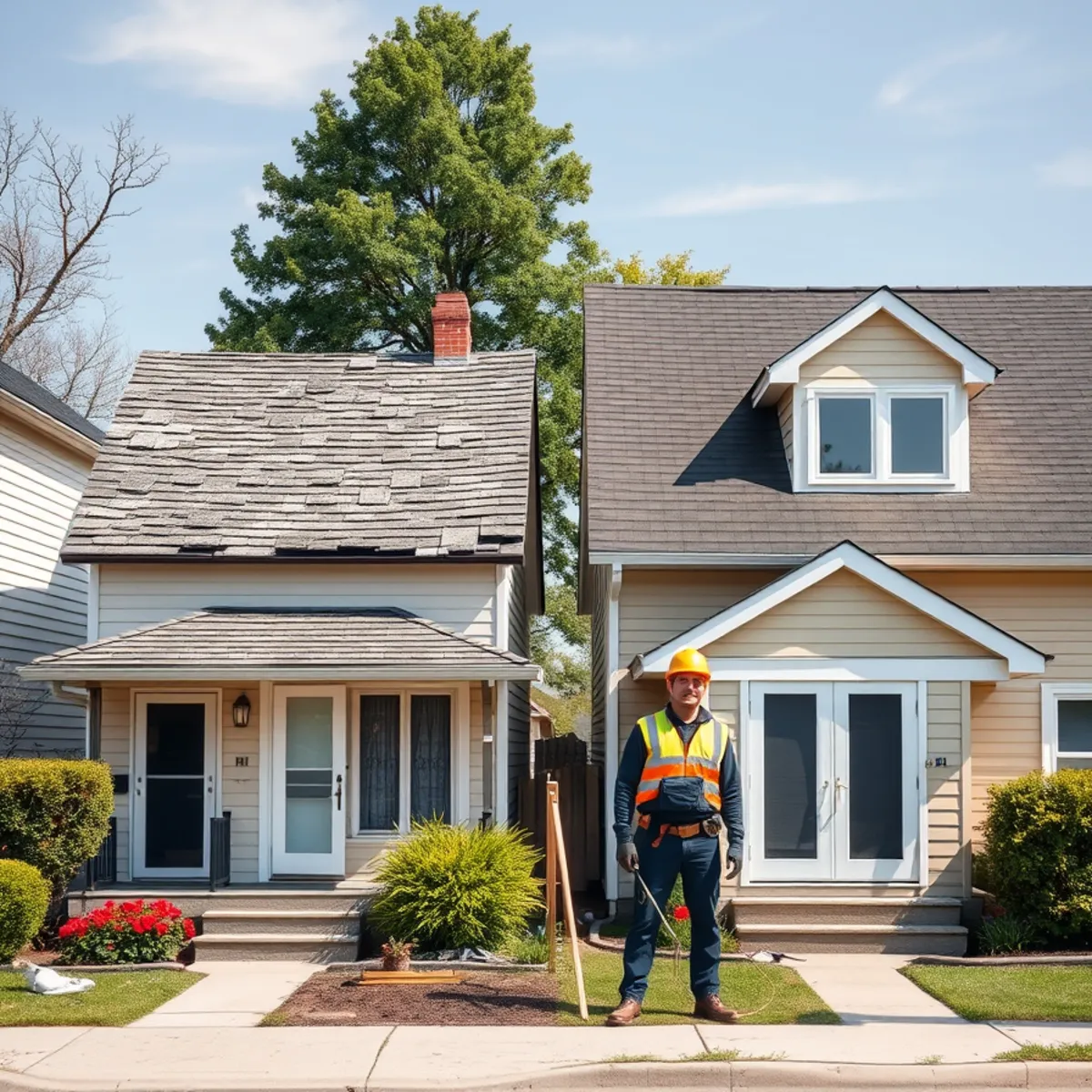
Your home's roof pitch, structure, and neighborhood style all factor in too. What works beautifully for a home in Carmel might differ from the best choice for an older property in Indianapolis.
Don't Forget What's Under the Shingles
Whichever material you choose, the components beneath it decide how well it performs in Indiana. Quality underlayment, ice-and-water shield along the eaves and valleys, new flashing at every wall and penetration, and balanced attic ventilation all matter as much as the surface you can see.
A premium shingle installed over a poorly ventilated attic or worn flashing will not deliver its rated life. This is the part of a roof that lowball bids quietly skip, so it is worth asking any contractor exactly what their estimate includes below the shingles. The best material paired with a careful install is what actually stands up to our hail, humidity, and freeze-thaw winters, and it is the combination we build on every job.
Let's Find the Right Fit
The best roofing material is the one that matches your home, your budget, and how long you plan to stay. We install all of these systems, so our recommendation is based on your situation, not on what we happen to sell. Guardian Roofing has helped Indiana families choose wisely for over 25 years, and our bilingual team (English and Spanish) is glad to explain the tradeoffs in plain language.
For a free consultation and estimate on the right roof for your home, call (209) 758-8550.
Frequently Asked Questions
Ready for a free roof inspection?
Talk to a real local roofer with 25+ years of Indiana experience. Honest advice, no pressure.